In shortWear your swimsuit under dry clothes and sandals or slip-ons you can kick off on a wet deck. Pack a towel, a dry top, a windproof layer for the ride back and a bottle of water. Hawaii sea surface temperatures peak near 80 F, but you float almost motionless for about 45 minutes, so take the wetsuit if a tour offers one. Full-face masks are banned on some boats.
about 45 minfloating at the surface
near 80 Fpeak sea surface temperature
68.4 to 75.7 FNOAA average night lows
about 5 minKeauhou Bay to the site
What to wear at Keauhou Bay after dark
Put your swimsuit on before you leave the room. Check-in at Keauhou Bay falls 15 to 30 minutes before a departure that shifts with sunset, and while there are restrooms by the parking area, changing in them in the dark is a poor way to start the evening. Over the swimsuit, wear what you would wear to dinner on this coast: shorts and a t-shirt, or a rash guard that doubles as your layer in the water.
Sandals or slip-ons, nothing laced. One Keauhou operator says exactly that in its own advice, because its boat is shoe-less and the deck is wet from the moment the first people climb back up the ladder. Leave socks in the car and wear something you can kick off in two seconds.
Most people feel the cold on the ride back rather than in the water. Boats from Keauhou Bay reach the lit viewing area in about five minutes, so you are never far from shore, but you climb out wet into night air that NOAA normals put between 68.4 F in February and 75.7 F in August, with trade winds blowing about 90% of the time in summer. A dry t-shirt, a fleece or hoodie over it and a windproof shell on top handle those ten minutes.
Water temperature and the wetsuit question
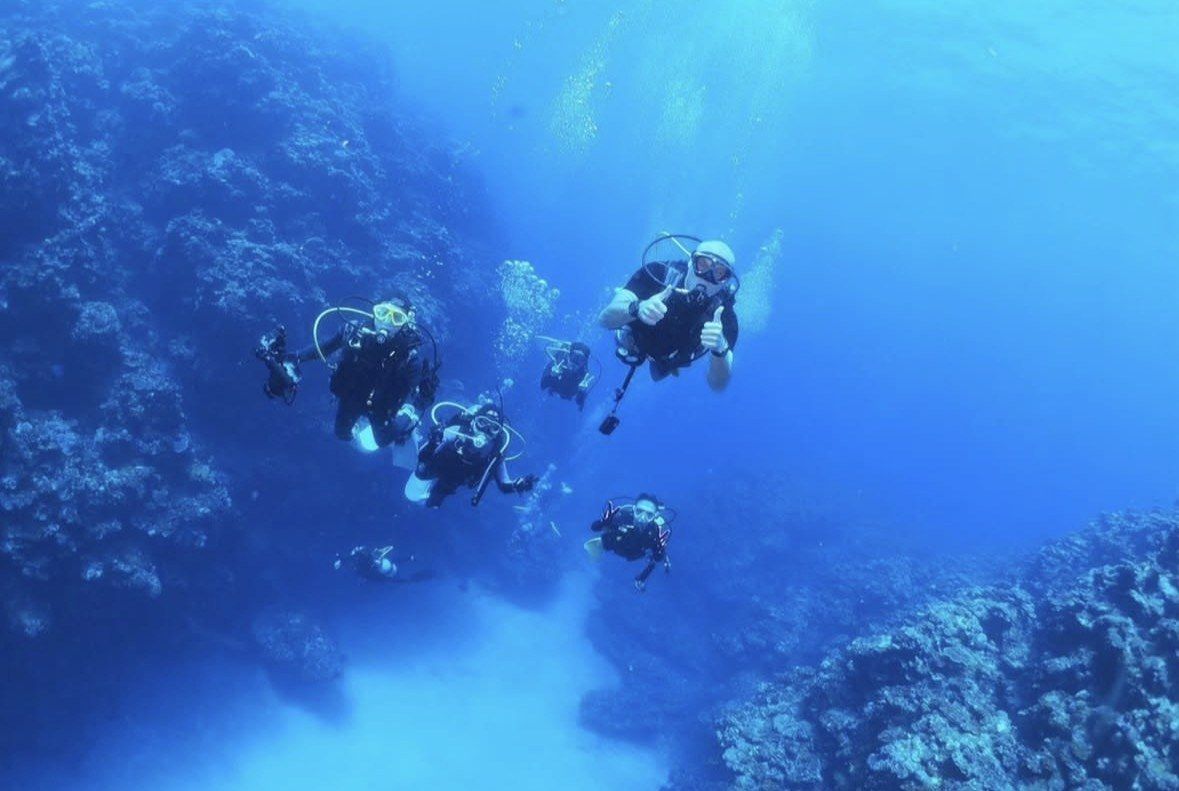
The sea here gives you very little to plan around: its temperature moves by only about 6 degrees over a whole year and tops out near 80 F in late summer or early fall, so your travel dates barely change what you pack. What changes the sums is how you spend your time in it. Keauhou boat operators put the surface session at about 45 minutes and the paddle-canoe trip at 30 to 45 minutes, and you spend it holding a lit float with your legs flat behind you, barely moving and making almost no heat of your own. Slim swimmers, children and anyone who gets cold in a hotel pool will feel it long before the crew calls everyone back in.
Three thicknesses of neoprene are in play on this coast. A shorty, which one Keauhou catamaran operator includes with its gear, covers the torso and upper legs and does the job for most people over a session this length. A wetsuit top or jacket covers the back and shoulders, the part of you sitting half in air and half in water while you float face down. A rash guard is the thinnest of the three and worth packing even when neoprene comes with the ticket, since the canoe operator hands out wetsuit tops and ankle floats rather than full suits.
Take the suit even when the pier is still hot at check-in. The 2.5-hour trip on this site includes a jacket-style wetsuit top in the fare and the 1-hour small-group trip lists a wetsuit as optional, so say yes when you are being fitted. Two Keauhou operators serve something warm afterwards, one warm drinks and chocolate, the other warm drinks and snacks. The 1.5-hour trip on this site lists a floatation life belt, dive lights with a manta board, mask and snorkel, with no wetsuit, so that is the booking where your own rash guard does real work.
The 2.5-hour trip with the wetsuit top included
The jacket-style wetsuit top, snorkelling gear, flotation device, bottled water and light snacks are already in the fare, which leaves you only one clothing decision: the dry layer for the ride back.
★ 4.8/5 · 6,332 reviews
What goes in the bag for Keauhou Bay
Towels are on you. The 1-hour small-group trip says plainly that they are not included, and the other two tours on this site do not list one in their inclusions either, so bring one per person and a dry top each. A damp shirt under a jacket will keep you cold the whole way back to the car.
Reef-safe sunscreen belongs to your afternoon. One Keauhou operator's packing advice lists it alongside a swimsuit, towel, light jacket or rash guard and slip-ons, and because these departures follow sunset you want it on and absorbed hours before you reach the harbour. Drinks depend on the ticket: bottled water and light snacks come with the 2.5-hour trip, beverages with the 1-hour trip, neither with the 1.5-hour one.
Carry nothing you would mind losing. Pier parking at Keauhou Bay is limited and most cars end up on Kaleiopapa Street, a 3 to 5 minute walk down to the water, so one small bag with a towel, a dry layer and your keys covers the whole evening. One Keauhou operator prohibits phone neck lanyards on its manta trips, which leaves your phone either in that bag on board or in the car.
- Swimsuit, already on under your clothes
- Towel, one per person
- Dry t-shirt or sweatshirt for the ride back
- Windproof jacket or shell to go over it
- Sandals or slip-ons that come off instantly on a wet deck
- Rash guard, if you want cover beyond a wetsuit top
- Reef-safe sunscreen, put on earlier in the day
- A bottle of water
- Glasses for the deck, and a prescription mask arranged in advance if you need one
- Keys, and nothing else worth stealing
| Tour on this site | In-water gear listed | Wetsuit | Towel |
|---|
| 1.5 hours, from $125, 4.7 ★ (2585 reviews) | Mask and snorkel, floatation life belt, dive lights with a manta board, snorkel guide and lifeguard in the water | Not listed | Not listed |
|---|
| 2.5 hours, from $138, 4.8 ★ (6332 reviews) | Snorkelling gear, flotation device, professional guide | Jacket-style wetsuit top included | Not listed |
|---|
| 1 hour, from $145, 4.8 ★ (1184 reviews) | Snorkelling equipment, professional guide | Optional wetsuit | Not included |
|---|
Gear rules in the water at Manta Village
Full-face snorkel masks are not allowed on two of the boats working out of Keauhou Bay, one on its manta snorkel and one on its 50-foot catamaran. Travel with one and it is the single piece of personal kit that can leave you watching from the deck, so plan on the mask and snorkel the tour hands you.
Underwater flash photography is prohibited, and any flash has to be switched off before you get in. Shark Bands and phone neck lanyards sit on the same prohibited list. Contact with a manta is the one rule where your own kit can put you on the wrong side of Hawaii law: capturing, taking, possessing, abusing or entangling a ray in state marine waters is illegal, and the fines escalate from $500 to $10,000. Operator conservation guidance asks snorkelers to observe only and keep their legs horizontal at the surface, which is also the simplest way to keep your fins clear of an animal rolling up beneath you.
Sort your eyesight out before the night itself. One Keauhou operator lists prescription masks among its included gear; the tours on this site list masks and snorkels or snorkelling equipment without naming a prescription option, so ask first if you depend on correction. Contact lens wearers should pack a spare set, and glasses are worth keeping in the bag for the deck and the walk back up to the street.
Choosing your departure once the bag is packed
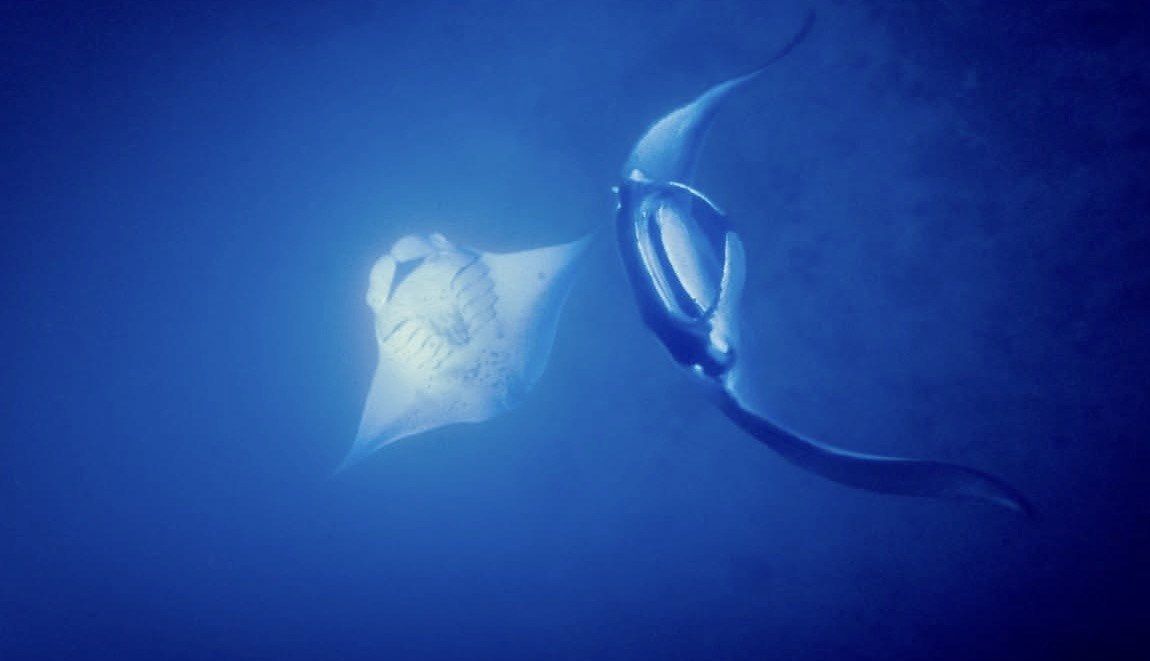
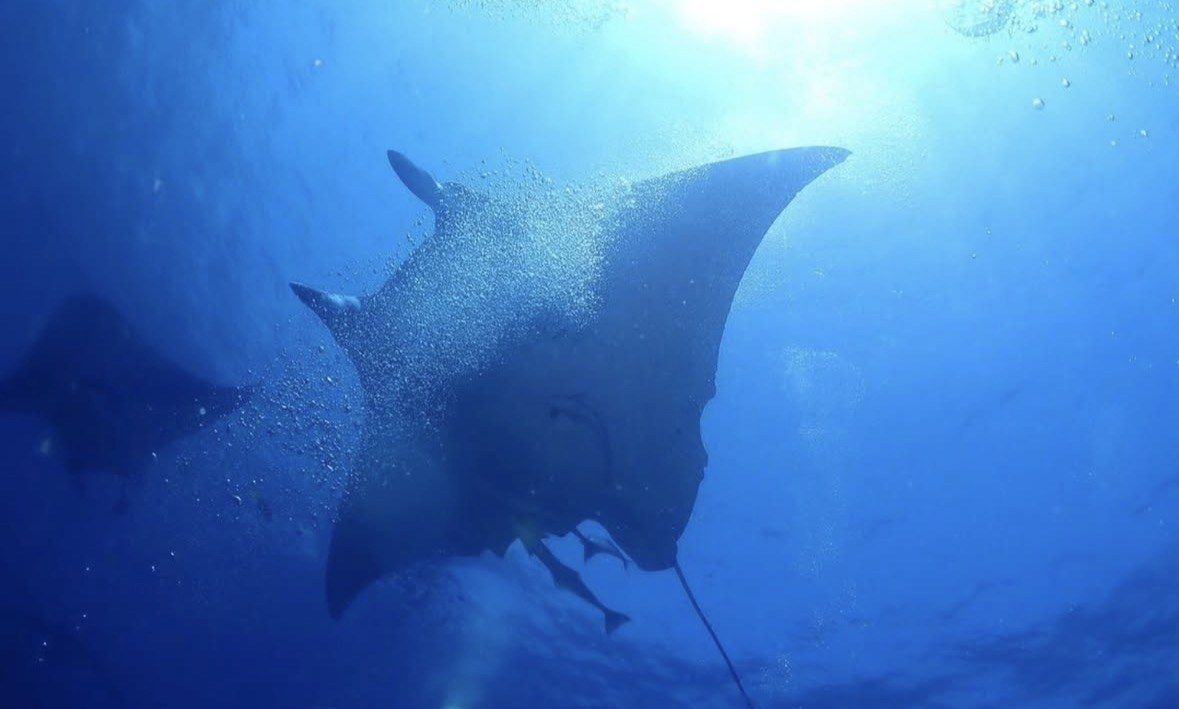
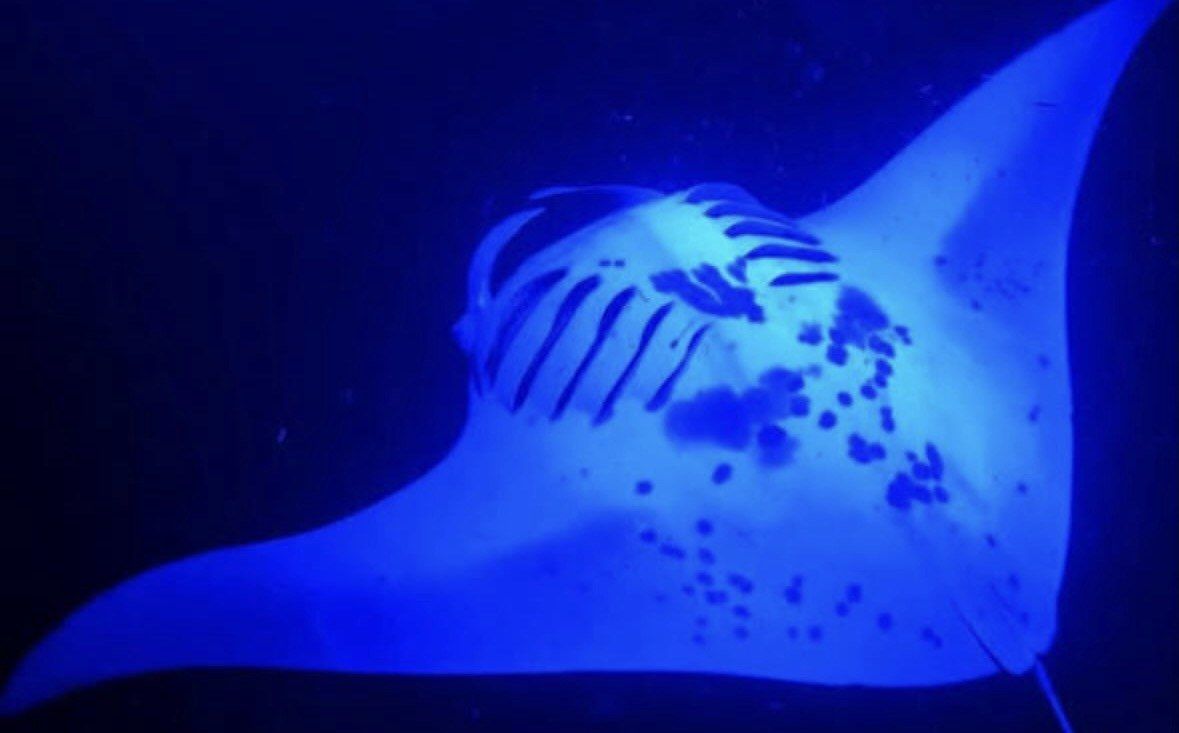
Go from Keauhou Bay rather than a harbour up the coast. Kaukalaelae Point, the lit feeding area beside the OUTRIGGER Kona Resort & Spa, lies barely offshore roughly 7 miles south of Kailua-Kona, which is why a Keauhou boat is on site in about five minutes while a northern departure motors 45-plus minutes each way. That is most of an hour less standing wet on a moving deck in the wind. Operator counts at Manta Village put rays in the water on more than 90% of nights, and no operator on this coast promises a sighting.
Match the ticket to how much kit you want handed to you. The 2.5-hour trip from $138, rated 4.8 ★ (6332 reviews), arrives with the snorkelling gear, the jacket-style wetsuit top, a flotation device, bottled water and light snacks already covered, which leaves you deciding only on your dry layer. The 1-hour small-group departure from $145, rated 4.8 ★ (1184 reviews), meets at Keauhou Harbor 30 minutes before the start, includes equipment, an optional wetsuit and beverages, and expects you to bring your own towel. The 1.5-hour trip from $125, rated 4.7 ★ (2585 reviews), keeps a snorkel guide and lifeguard in the water with you and lists no wetsuit, so pack the rash guard.
If you feel the cold easily, take a sunset-timed departure and be in the water while there is still warmth in the air. The later slot puts fewer boats around your float and darker water under it, and it also means climbing out into cooler night air.
Questions people ask
Is the water cold at night in Kona?
Not in absolute terms. The National Weather Service puts the annual swing in Hawaii sea surface temperature at only about 6 degrees, with the high point near 80 F in late summer or early fall. What makes people chilly is the stillness: you hang on a lit float for about 45 minutes without swimming, so wear the wetsuit or wetsuit top the tour provides.
Do the tours provide towels?
No. The 1-hour small-group trip states that towels are not included, and the other two tours on this site do not list one in their inclusions either. Bring one towel per person and keep it in a bag on board rather than loose on a wet deck.
Can I wear a life jacket in the water?
That depends on the format. The paddle-canoe operator at Keauhou does not allow adults to wear life jackets in the water, though non-swimmers may stay in the canoe and children aged 12 and under wear one while paddling. On the boats, flotation comes with the kit: the 1.5-hour trip lists a floatation life belt and the 2.5-hour trip a flotation device.
Can I take a camera or phone in the water?
Cameras are welcome on some trips, but any flash has to be off before you enter the water, and neck lanyards for phones are prohibited. Apple rates the iPhone 12 mini through iPhone 18 Pro Max as IP68 to a maximum depth of 6 metres for up to 30 minutes, a lab figure rather than a night-time float rating, so a phone you take in is a risk you carry yourself.
Do I need shoes on the boat?
Sandals or slip-ons are the sensible choice, and one Keauhou operator runs a shoe-less boat and says so in its own advice. You will want them for the walk from Kaleiopapa Street, where most people park, down to the pier, which takes 3 to 5 minutes.
Read also